
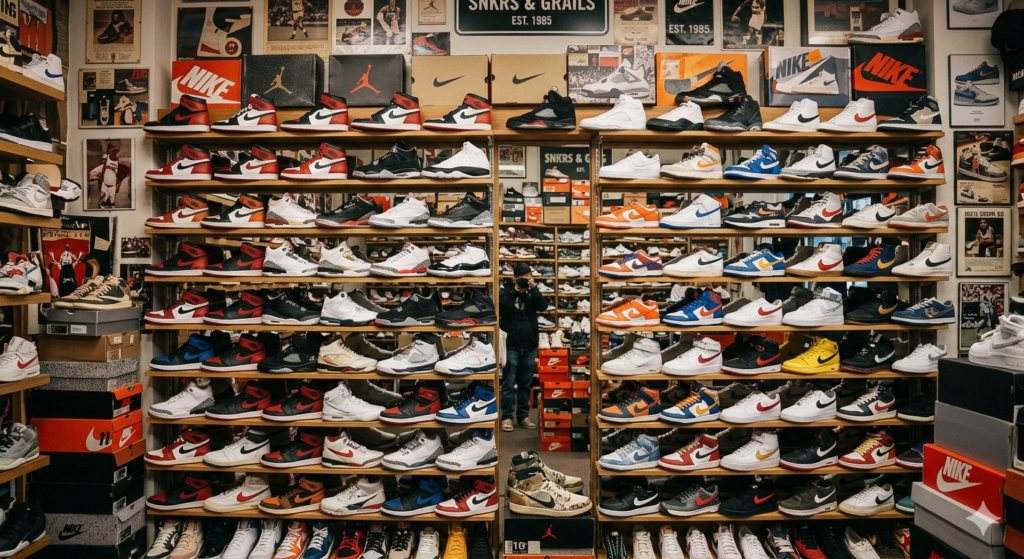
From basketball courts to main streets, Nike and the Air Jordan brand have shaped Black cultural expression for decades.
Their influence goes beyond footwear and apparel: they’ve affected identity, music, style, entrepreneurship, and how Black athletes and communities are seen and valued in mainstream culture.
Nike’s rise in the 1970s–80s coincided with basketball’s growth in urban Black communities. Sneakers moved from athletic gear to essential streetwear.
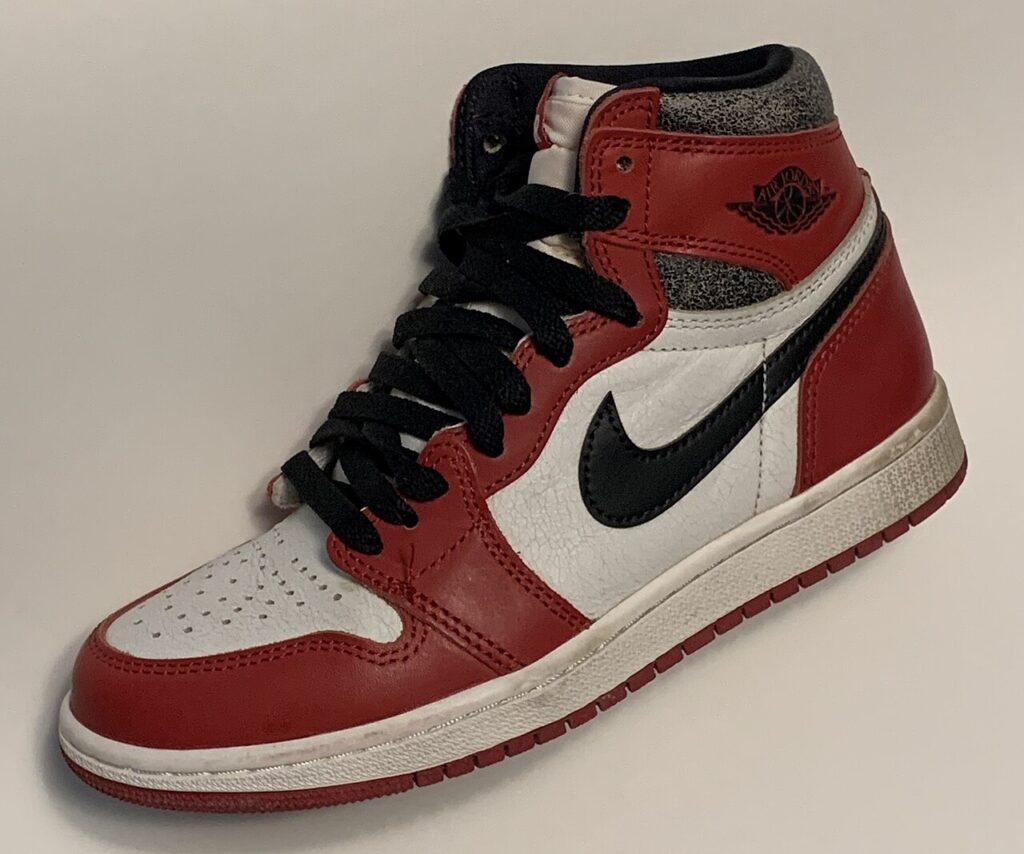
The Air Jordan line, launched in 1985 with Michael Jordan and Nike, crystallized this shift. Jordan’s on-court dominance and off-court persona made his shoes a symbol of aspiration and status for many Black youth.
Jordans and other Nike models became badges of identity—markers of taste, community belonging, and sometimes socioeconomic aspiration. Owning a sought-after release was cultural currency.
Sneaker culture fostered rituals (drops, lines, resell markets) that centered urban and Black youth as trendsetters—shifting influence from traditional fashion gatekeepers to street-level communities.
Hip-hop and R&B artists embraced Nike and Jordan imagery in lyrics, videos, and personal style, amplifying brand visibility. Sneakers were referenced as signs of success and authenticity.
Collaborations between artists and Nike/Jordan (or artists wearing them publicly) reinforced sneakers as central to Black popular aesthetics, blending sport, fashion, and music seamlessly.
The sneaker resale economy—rooted heavily in demand from Black and urban consumers—created new entrepreneurial pathways: resellers, boutique retailers, customizers, and influencers.
Nike’s collaborations with Black designers and athletes (Jordan Brand partnerships with players, designers, and creators) have provided platforms and economic opportunities, though debates persist about equity and control.
Michael Jordan’s visibility helped normalize Black excellence in global advertising and sport. Jordan Brand’s use of Black athletes and culturally resonant campaigns reinforced role models for younger generations.
This representation mattered in shaping aspirations: athletic success and related cultural influence felt like achievable pathways for many Black youth.
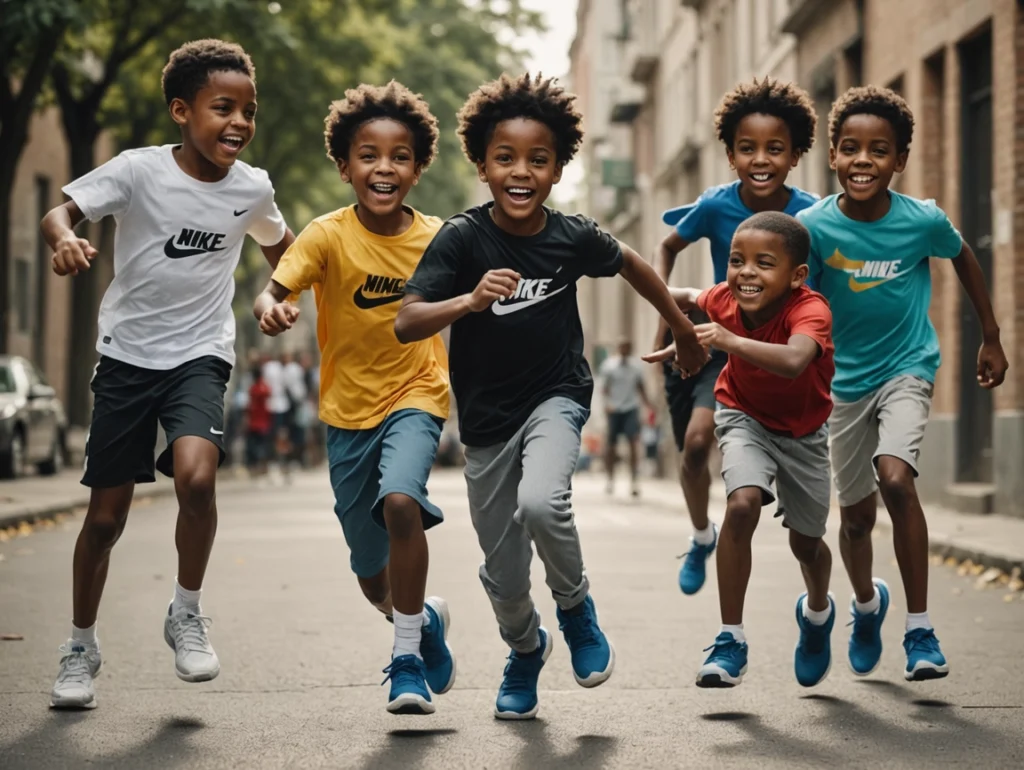
As sneaker culture went mainstream and profitable, some Black-originated styles and meanings were commodified without adequate credit or benefit returning to originating communities.
Critiques focus on labor practices, unequal benefit distribution (between corporations and the grassroots communities that popularized trends), and how marketing can exploit cultural symbols while sidelining community investment.
Jordan silhouettes and Nike innovations influenced wider fashion—sportswear became luxury and everyday fashion. High fashion houses and global brands pulled cues from Nike/Jordan aesthetics.
Sneaker design itself became a site of cultural storytelling—colorways, collaborations, and limited releases often referenced Black histories, sports legacies, and neighborhood narratives.
Nike and Jordan Brand have funded community programs, scholarships, and local initiatives (parks, courts, youth programs). These investments have had tangible benefits, though conversations continue about scale and intent.
Athletes associated with the brands have used their platforms and earnings for activism and social investment, connecting consumer culture back to community causes.
Today, Nike and Jordan remain central to how Black culture is expressed and consumed globally. Sneakers are still powerful symbols of identity, success, and creative expression.
The relationship is multifaceted: one of cultural leadership from Black communities, global corporate reach from Nike and Jordan, and continuous negotiation over representation, profit, and cultural stewardship.
Nike and the Jordan brand transformed athletic products into cultural artifacts. They elevated Black athletes and community aesthetics onto global stages, shaped music and fashion trends, and created new economic opportunities—while also raising important questions about credit, control, and corporate responsibility. Their impact on Black culture is deep, complex, and still evolving.
Check This Out...
-
Up To 55% Of Americans Turn To YouTube For Do-It-Yourself Home Repair Tips: Research
-
The Comforting History of Georgia’s Southern Fried Peach Pie: Not Talked About As Much Anymore, But Still A Treat + Recipe
-
Fall Is 3 Just Weeks Away: Tips To Get Your Home Ready For The Coming Season
-
Finding Love—And Even Friends With Benefits–On Social Media Is Growing More Popular, Giving Dating Apps Competition
-
Are Home Warranty Plans Worth The Cost?