
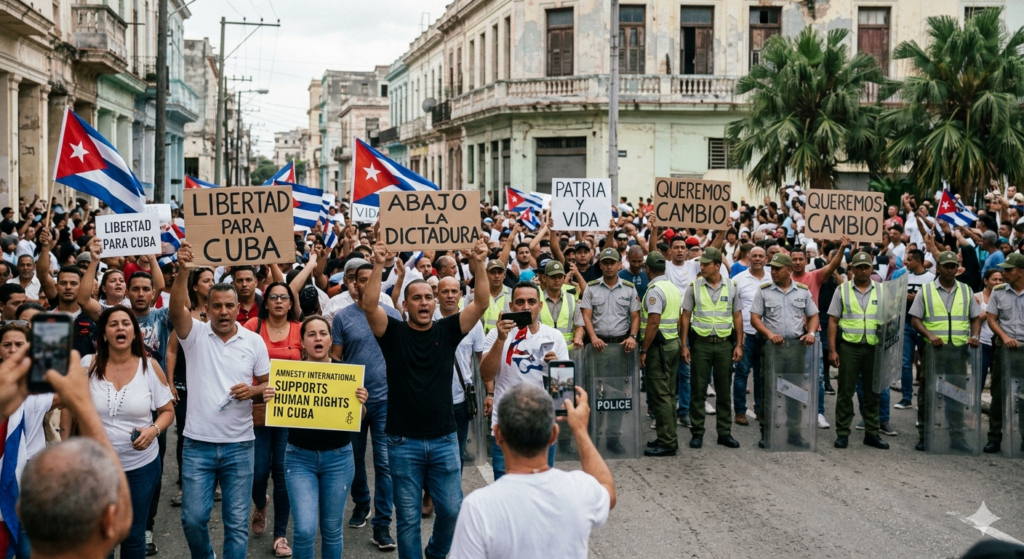
Nearly two months after the United States and Israel undertook military action against Iran, and with tension around the fragile U.S.-Iran ceasefire making the arrangement ever more tenuous, reports are indicating Cuba could be next on the administration’s list.
While it remains unclear if there will be a deployment of U.S. forces against the small Caribbean nation, what has been reported is talks have been ongoing between U.S. officials and representatives of the nation’s communist government.
And even as it remains unclear what resolution will be reached, according to an exclusive from USA Today, two anonymous sources confirmed the Pentagon is intensifying military planning pending a direct order from the President.
Despite these reports, senior military officials, including General Francis Donovan of the U.S. Southern Command, told lawmakers in March 2026 that the military is not actively rehearsing for an invasion, though it remains ready to address threats or migration issues.
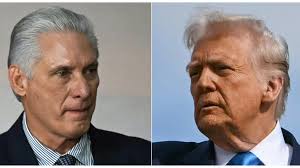
But President Trump has repeatedly suggested Cuba’s Marxist government, which is grappling with a U.S.-imposed energy embargo, may have a limited number of days to reform or face U.S. intervention. At one point, Trump said Cuba “is next”–presumably meaning the U.S. could take action in Cuba as it has against Venezuela and Iran.
But some analysts have maintained that military action is not the administration’s only option in Cuba: Trump could opt to use economic aid that influences reform in the nation, or he could use economic aid to force regime change, or he could use economic aid combined with military pressure or he could order a military offensive to take over the country.
Or Trump could opt to do nothing at all.
The Trump administration has worked to curtail oil shipments to the island from Russia, Venezuela, Iran, and Mexico, which has contributed to prolonged blackouts and fuel shortages on the island of nearly 11 million. The effort is designed to pressure the government there to conform to U.S. humanitarian demands along with demands for reform but critics say the island is facing a growing humanitarian crisis as a result.
Check This Out...
-
Six Charlotte Cops Face Termination Over Texts Allegedly Containing Text Message Thread Filled With Racial Slurs, Racial Profiling, And Police Brutality: Allegedly Competed To Pull Over The Most Black Drivers: Texts Came To Light Amid Flock Camera Misuse Investigation
-
Handcuffs With That Order? Popular San Diego Chef Allegedly Kidnapped And Shot Ex-Girlfriend In Iowa In 2014, Then Fled The State: Social Media Popularity Led U.S. Marshals To Him
-
Federal Judge Blocks Deportation Of 28 Year Old NYC Man Shot By ICE Agents Thursday: Who Is Oscar Belgal, And What Are The Circumstances Surrounding His Case?
-
Mike Ditka Dies At 86: Legendary Chicago Bears Player And Later Head Coach Led The ’85 “Bad News Bears” To Super Bowl Win
-
Colorado Parents Who Take Their Small Kids On Record-Breaking Mountain-Climbing Ventures Reported To Child Protective Services By Online Critics, Won’t Be Prosecuted